

Generic mail gets discarded. Personalized mail gets read — and acted on.
Retail marketing has entered the era of hyper-personalization, and variable data printing (VDP) is what makes it possible.
What is variable data printing (VDP)?
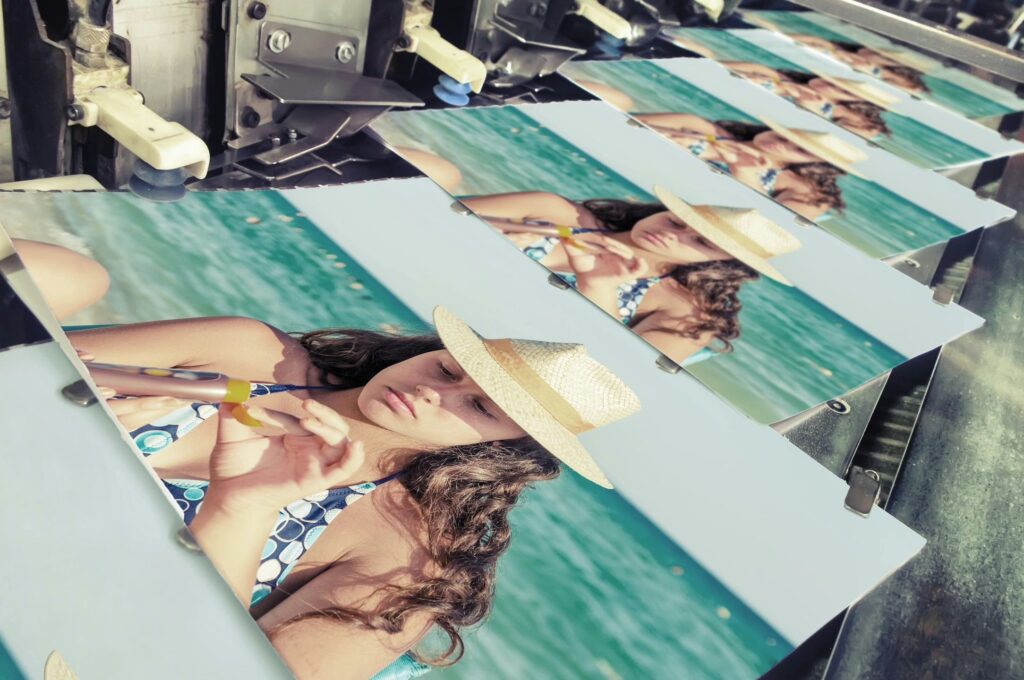
Variable data printing (VDP) is a digital printing technology that allows retailers to customize individual elements of each direct mail piece using customer-specific data — all within a single print run.
Instead of producing thousands of identical catalogs or postcards, VDP enables retailers to dynamically change:
- Product images
- Offers and incentives
- Messaging
- Store locations and maps
- QR codes and URLs
- Pricing and inventory displays
The result: every mailer feels individually curated rather than mass-produced.
Why personalization in direct mail works
Research consistently shows that consumers are more likely to engage with brands that deliver relevant offers and recommendations.
Direct mail already has inherent advantages:
- Stronger brand recall
- Higher trust perception
- Tangible engagement
- Longer attention span compared to digital ads
VDP amplifies these strengths by layering behavioral and transactional data into print.
Instead of a generic seasonal catalog, a shopper receives a tailored experience that reflects what they actually browse and buy.
>>Related: On Trend and On Target: Personalized Direct Mail for Apparel <<
How variable data printing works in retail
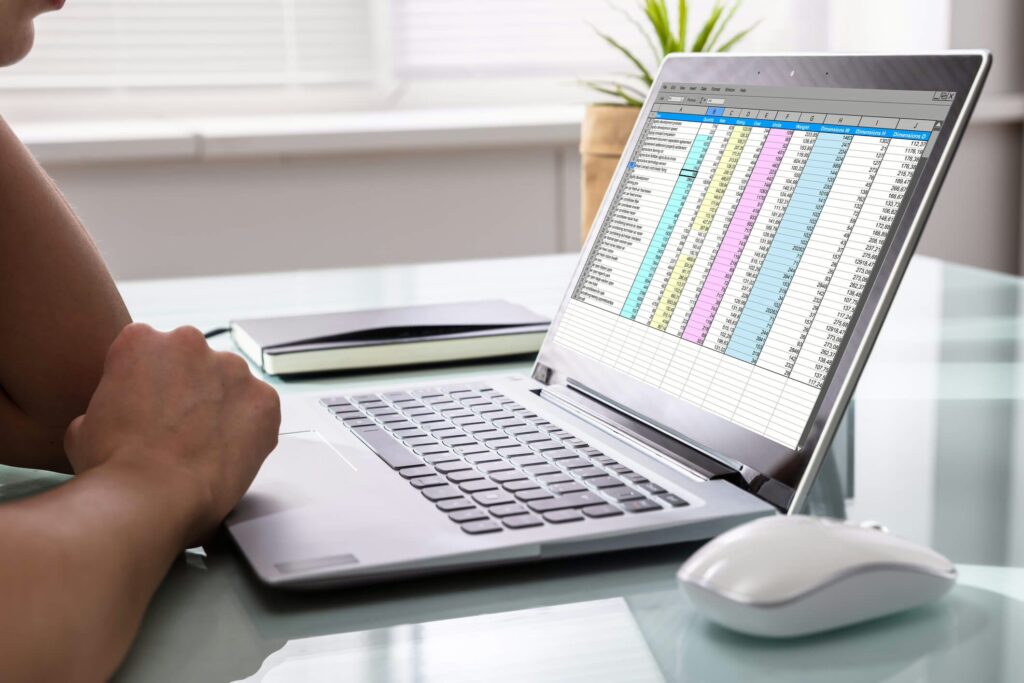
VDP connects customer data systems to digital presses. Data flows directly into production files, triggering customized versions of each piece automatically.
For example:
- A repeat swimwear customer receives a catalog featuring styles in their preferred size.
- A new customer receives a first-purchase incentive and free shipping promotion.
- A VIP shopper gets early access messaging and loyalty rewards.
- A cart abandoner receives a postcard featuring the exact product left behind.
All produced in a single, efficient print run.
What retailers can personalize with VDP
Modern VDP goes far beyond adding a name at the top of a mailer.
Behavioral retargeting. Send personalized mail featuring products a customer browsed but didn’t purchase.
Inventory-aware creative. Show only products available in a recipient’s size, color preference or nearby store.
Geographic customization. Include store-specific maps, directions and localized offers — especially powerful for new movers.
Lifecycle-based messaging
- New customers: brand introductions and best sellers
- Active customers: cross-sell recommendations
- VIP customers: early access collections
- Lapsed customers: reactivation incentives
Cross-category bundling. Create complete looks or product pairings tailored to customer preferences.
Measurable results: Why retailers invest in VDP
Personalized direct mail consistently outperforms generic campaigns in response and engagement.
VDP helps retailers:
- Increase response rates
- Improve conversion rates
- Boost in-store traffic
- Support ecommerce growth
- Strengthen loyalty
- Improve customer lifetime value
Because the message aligns with the recipient’s behavior, the perceived relevance increases — and so does action.
Direct mail + digital: A connected strategy
VDP bridges physical and digital marketing. Retailers can incorporate:
- Trackable QR codes
- Personalized URLs (PURLs)
- Dynamic landing pages
- Ecommerce tracking
- CRM integration
This turns direct mail into a measurable performance channel rather than a standalone brand tactic.
When integrated properly, VDP connects online behavior to offline engagement — and back again.
How independent retailers compete with national brands
Variable data printing levels the playing field. Independent retailers may not outspend national chains, but they can out-personalize them.
By leveraging customer data, local presence and curated inventory, smaller brands can deliver:
- Highly relevant offers
- Community-driven messaging
- Inventory-specific promotions
- Personalized styling suggestions
Relevance beats reach when personalization is done well.
Common questions about variable data printing for retailers
What is the difference between personalization and variable data printing?
Personalization refers to tailoring marketing content to an individual. Variable data printing is the technology that enables that personalization at scale in print production.
Does VDP only work for large retail brands?
No. VDP can be scaled to fit independent retailers and regional brands. In fact, smaller retailers often see strong returns because personalization strengthens customer relationships and local engagement.
Can VDP integrate with ecommerce platforms and CRMs?
Yes. Modern VDP systems can pull data from ecommerce platforms, CRM systems and customer data platforms to trigger highly targeted mail campaigns based on real-time behavior.
Is personalized direct mail measurable?
Yes. By using trackable QR codes, personalized URLs and ecommerce integrations, retailers can measure response rates, conversions and ROI.
What kind of data is required for a VDP campaign?
Retailers typically use purchase history, browsing behavior, geographic location, loyalty status, size or style preferences and lifecycle stage.
Make every mailer count
Acquiring new customers. Converting online browsers. Retaining current buyers. Reactivating lost shoppers.
Variable data printing helps retailers compete by transforming direct mail into a personalized shopping experience.
At LS Direct, we combine advanced personalization technology with the tangible, trusted impact of print to help retail and apparel brands drive measurable online and offline growth.
Ready to see what personalized direct mail can do for your brand? Request a demo to explore what’s possible.