

For home décor brands, direct mail marketing is outperforming today’s flashy digital campaigns — and it’s really no surprise. Screens simply can’t replicate the sensory decision-making process involved in transforming living spaces and bringing home aesthetic dreams to life.
Unlike fleeting digital touch points, physical mail creates a tangible connection with potential buyers. When shoppers receive beautifully photographed mailers showcasing textured throws, elegant accents or statement lighting fixtures, they can physically interact with these images and refer back to them during the consideration phase as they reimagine their living spaces.
A mailer, for example, can spend weeks on a buyer’s nightstand while a carefully crafted email disappears with a swipe. That’s why home décor marketers are rediscovering the distinctive advantages of direct mail — not as a replacement for digital channels, but as a powerful complement. Here’s why:
It creates multi-sensory experiences. Potential buyers want to feel textures and see true colors before committing to purchases. The tactile nature of direct mail creates a powerful psychological connection, engaging multiple senses simultaneously to form deeper memory associations with your brand.
Direct mail offers unique opportunities to incorporate these sensory elements:
- Textured papers that mimic product finishes (like linen, leather or canvas)
- Special printing techniques that showcase metallic finishes or dimensional elements
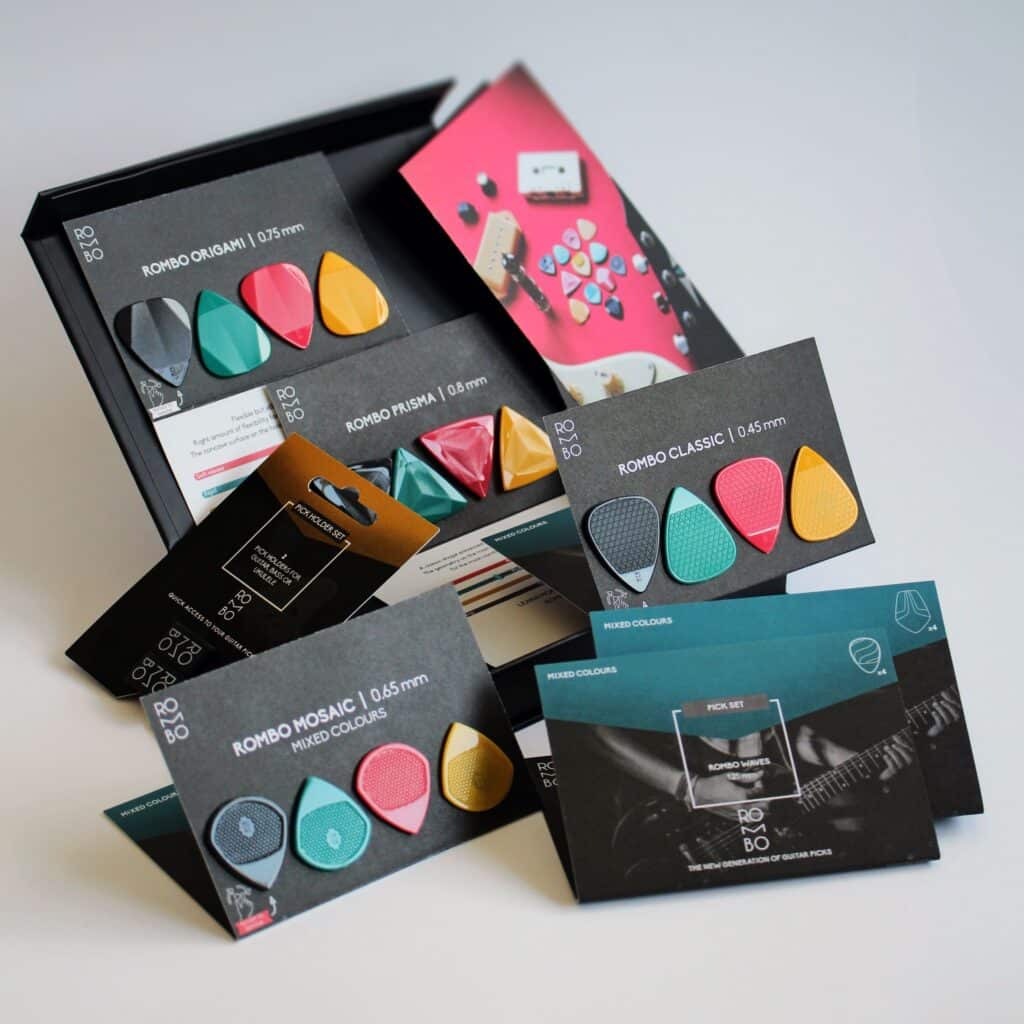
- Die-cuts and folds that create interactive experiences
- Actual fabric swatches or material samples
- Specialty inks that change with touch or temperature
It has an extended presence in homes. Unlike digital marketing that disappears with a click, direct mail establishes a long-lasting physical presence in the home environment. This prolonged presence gives prospects additional time to make important aesthetic and financial decisions about their home’s look and feel.
And it’s particularly valuable for home décor brands because:
- Home décor purchases typically involve multiple decision-makers
- The consideration phase may last weeks or months
- Physical materials can be shared during in-person design conversations

>>Related: Timing is Everything: 5 Touchpoints for a Trigger Direct Mail Campaign>>
It builds trust through tangibility and permanence. Buyers naturally associate physical quality in marketing materials with the expected quality and stability of the products themselves.
For home décor brands, direct mail delivers this assurance through:
- Photography that can be examined closely without zooming or screen distortion
- Consistent color representation that eliminates the variability of different screen displays
- The implied investment and confidence of brands willing to commit to print
Mastering direct mail in the home décor space
Direct mail doesn’t just showcase products. It’s a physical extension of your brand experience that resonates with consumers’ visions for their living spaces. To transform this powerful channel into a consistent source of conversions, consider these best practices:
Showcase transformation potential. Selecting the optimal direct mail format — whether oversized postcards for immediate impact, multi-page catalogs for storytelling or dimensional mailers for maximum memorability — dramatically affects how your transformation message resonates with recipients.
While digital platforms certainly display beautiful imagery, direct mail provides a canvas where high-quality photography can shine without competing notifications, pop-up ads or the temptation to scroll. Our research has found that before-and-after visuals, lifestyle imagery and seasonal styling can be particularly effective.
Reflect brand positioning and recognition. Every element of your direct mail — from visual imagery and color palettes to messaging tone and paper quality — reflects your brand. This physical representation creates recognition that translates directly to competitive advantage, as customers naturally gravitate toward the familiar when making home décor decisions.
That’s why it’s important to invest time and resources into these elements to achieve your desired results. For example, consider heavier paper stocks that are environmentally certified, finishes that complement brand aesthetics and strategic use of white space to reflects brand sophistication.
Create momentum in the purchasing journey. Whether you’re retargeting a website visitor with a high-impact postcard or releasing your new seasonal catalog, your calls to action should provide specific, attractive pathways for continued engagement.
Compelling action phrases might include:
- “Transform your space today! Access exclusive 25% savings on curated living room collections”
- “First home? First advantage: Secure 0% financing for 24 months on qualifying purchases”
- “Refresh without regret: Trade your existing furniture for $500 toward your dream design”
- “Summer special! Buy any outdoor furniture set and receive a complimentary weather-resistant accessory package valued at $199″
Making connections, driving transactions
From home inspiration to confident purchasing decisions, direct mail marketing brings the showroom experience directly into your buyers’ homes. And through strategically designed and timed mailers, you can create a targeted and personalized experience to guide buyers through their home décor journey.