

If your brand was built on paid social, email and performance ads, direct mail likely hasn’t been part of the plan.
But times are changing. A quarter of today’s marketing budgets are being allocated for direct mail, and for good reason.
Relying on digital alone means competing for space in an already crowded inbox, and even the strongest campaign won’t reach the customers who respond better to something they can hold. Direct mail fills that gap, and it’s easier to execute than you think.
Here’s how direct mail for digital first brands can run a first direct mail campaign that’s low-risk, easy to measure and designed to earn a bigger budget next time around.
Start with a limited test group
Mailing your full customer list is the riskiest way to start. Instead, pick a small, well-defined segment. For example, you may target your highest-value customers, a specific geographic region or a group that’s lapsed from email engagement. A limited test group lowers your financial risk and gives you a clean, contained data set to learn from, without the noise of mailing to everyone at once.
To begin, choose a test group of a size you’re comfortable evaluating on its own, separate from your full customer base. Treat this first drop as a pilot, not a full-scale launch.
Don’t skip the comparison
Every direct mail result comes with a question attached: would those customers have bought anyway? A control group is how you answer it.
What is a control group? It’s a slice of your audience that looks just like the people you’re mailing — same purchase history, same value tier, same buying behavior — but don’t receive the mailer.
That matters because your mail campaign isn’t running in a vacuum. The same buyers are seeing your email, your paid social and your retargeting, and some were going to buy this month regardless. Without a control group, you end up crediting all of that to the mailbox
Digital platforms build this comparison for you automatically. Direct mail doesn’t, so you have to set it up yourself.
Pull the holdout at random from the same list, then track the same metrics over the same timeframe for both groups. The gap between them is your incremental lift — the only number that tells you whether the campaign earned its budget.
Track it to measure results
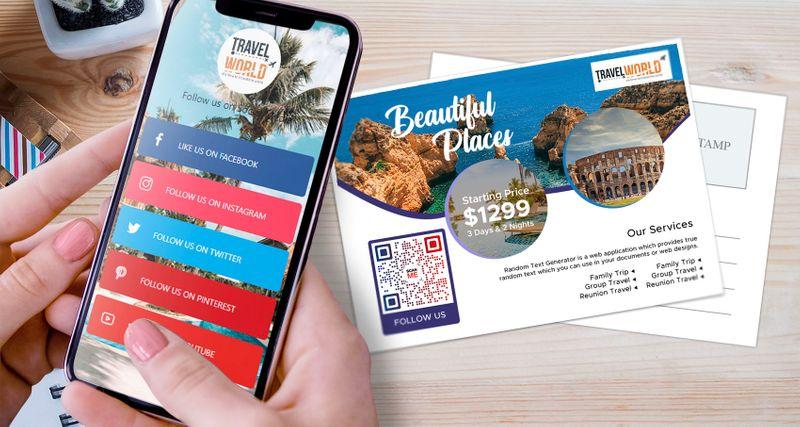
You don’t need an elaborate attribution model for your first campaign. Unique promo codes, dedicated landing page URLs or QR codes tied specifically to your mail piece all give you a direct line from a physical drop to a digital action. Pair that with a simple before-and-after comparison of sales or sign-ups between your mailed group and your holdout group, and you’ll have a clear read on performance.
Before you print anything, decide exactly how you’ll track response. If you’re using a promo code or unique URL, make sure it’s woven into the design of the piece itself, not added as an afterthought.
>> Related: How to Choose the Right Data-Driven Direct Mail Partner <<
Play to direct mail’s strengths
Direct mail for digital first brands earns attention differently than a scrollable feed. A physical piece sits on a counter or coffee table, getting picked up, held and revisited – keeping your brand top of mind.
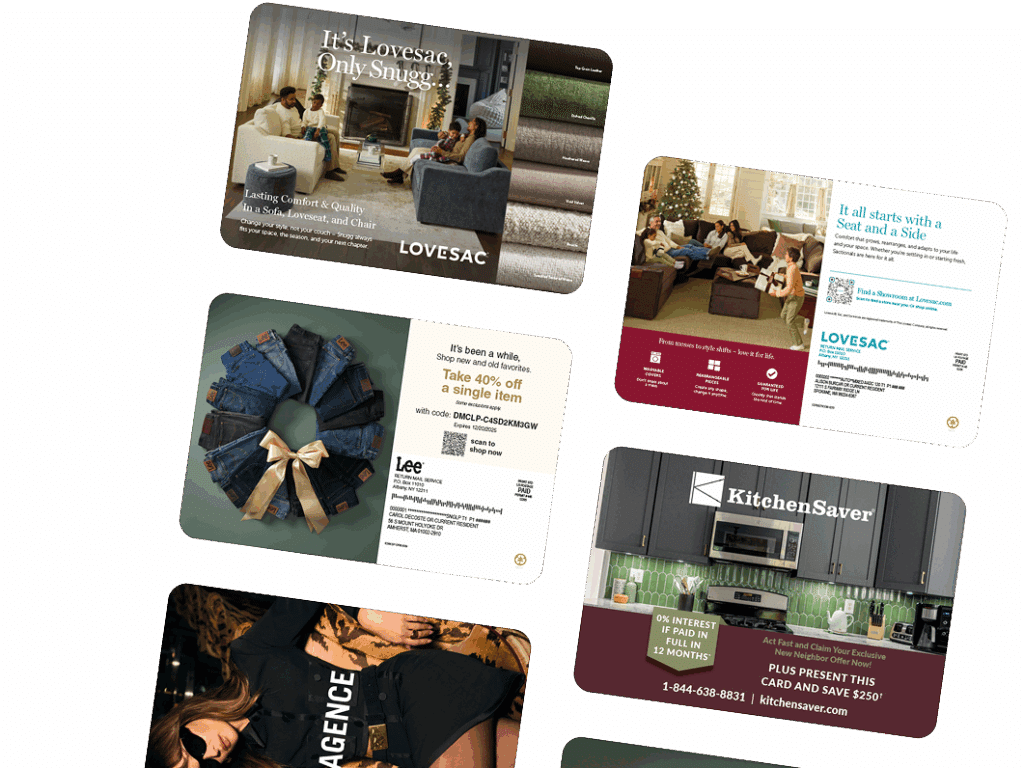
Your first piece simple should be simple with one clear offer, one clear next step and a design that captures your brand’s voice, look and feel.
It’s not about getting everything right
Your first direct mail campaign is about proving whether the channel is worth investing in further, not perfecting every detail. Start small, measure what happens against a comparison group and let the results guide your next move.
At LS Direct, we pair the precision of digital with the tangible pull of direct mail, helping brands build omnichannel strategies where every channel works together instead of competing for attention.
To learn more about the power of direct mail, check out How Direct Mail Bridges Online and Offline Marketing
FAQ
Do we need a huge list to make direct mail worth testing?
No. A small, well-defined test group is a better starting point because it limits your risk and gives you a cleaner read on performance than mailing your entire list right away.
Why do we need a comparison group if we’re already tracking promo codes?
A comparison group tells you what would have happened without the mail piece, which is the only way to know if your campaign drove the results you’re seeing, rather than a trend that was happening anyway.
What’s the easiest way to track direct mail performance without new tools?
Unique promo codes, dedicated URLs or QR codes built into the mail piece, paired with a simple comparison against a holdout group, give you a clear read on results without requiring new software or attribution models.
How do we know when we’re ready to scale beyond a test campaign?
If your direct mail for digital first brands campaign group outperforms your comparison group on the metrics that matter to your business, that’s a strong signal to expand your test group size, add new segments or try additional mail formats.