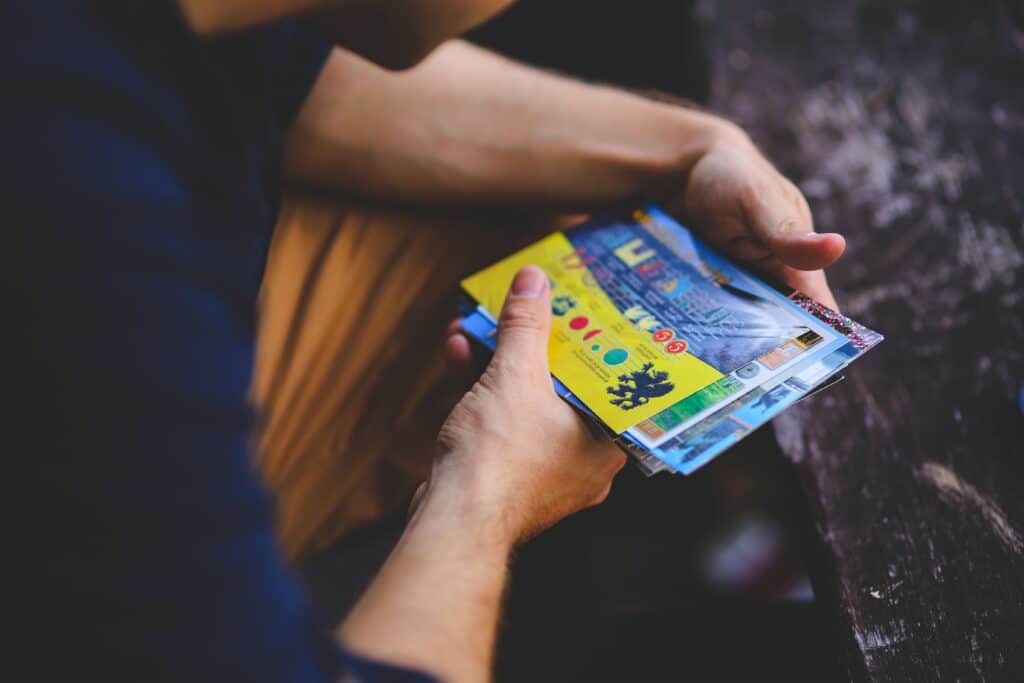
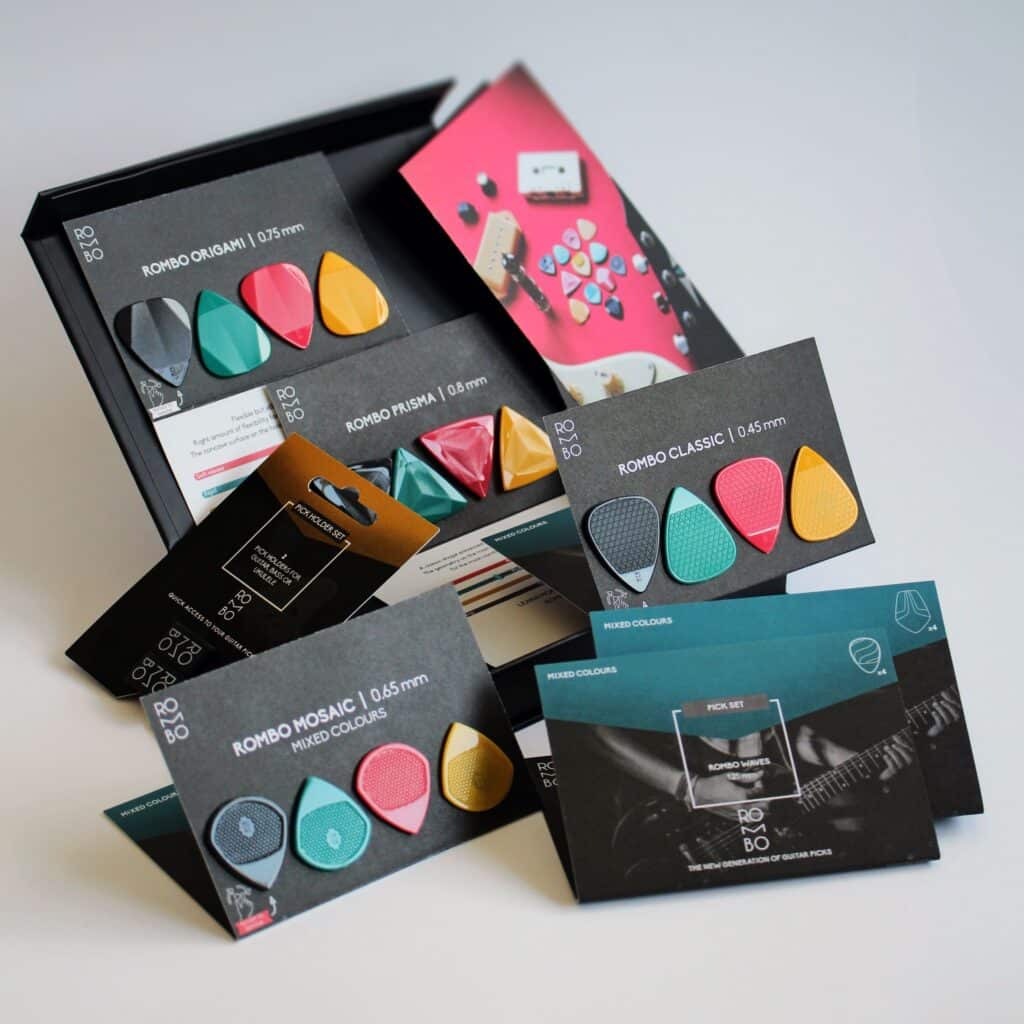
From the tactile nature of a high-quality direct mailer to the instant gratification of a digital storefront – the omnichannel shopping journey has become the new normal for today’s fashion and apparel consumers.
Seventy-three percent of fashion consumers report using multiple channels before making a final purchasing decision. That’s why direct mail for apparel is always in style for brands that understand the power of integrating both physical and digital marketing tactics.
By incorporating innovative digital enhancements into traditional direct mail pieces you can engage buyers across multiple senses and platforms. This will help strengthen the connection between brand and consumer at every step of their journey.
QR codes: Scan, connect, convert
QR code engagement quadrupled globally in 2024. Whether you’re sending a postcard promotion or the upcoming season’s catalog, these small scannable squares can transform a static mailer into an interactive gateway, continuing the conversation online.
QR codes can take the shopping experience to another level by allowing prospects to check availability for selected sizes and colors, save items to a digital wish-list or access an exclusive coupon code.
The effectiveness of your QR code strategy begins with thoughtful design:
- Ensure the image is at least 1.2 inches on direct mail pieces to accommodate various scanning distances and camera lenses.
- Maintain high contrast between the code and background. Black on white is typically most effective.
- Position codes where they naturally fall within the recipient’s line of sight, including postcards, back covers of catalogs, beside featured products or near contact information.
- Pair with compelling text that communicates the value waiting on the other side. For example, “Scan to see this tunic styled three ways” is more effective than simply “Scan here.”
Data-driven destinations: The PURL advantage in direct mail
The QR code scan is just the beginning. Where you send your customers determines whether they’ll continue their journey with your brand.
Leverage personalized URLs (PURLs) that customize the digital experience based on the recipient’s preferences, past purchases or demographic information. PURLs may incorporate unique identifiers — like the recipient’s name or a custom code — directly into the web address. When a buyer types in or clicks their personalized URL from your direct mail piece, they’re not just visiting a website, they’re entering a digital environment that reflects who they are and how they interact with your brand.
And by implementing PURLs on your fashion lookbooks, seasonal catalogs or promotional postcards, you gain immediate insights into open rates, click-through rates and specific products or collections generating the most interest — all tied to individual customers. For example, you might discover that a particular segment of customers gravitates toward accessories after receiving your seasonal collection mailer, helping to inform and optimize future campaigns based on concrete performance data.
>Related: Best Practices for How to Get a Direct Mail List<<
Made-to-measure results for apparel and accessories marketers
Advanced cross-channel tracking lets fashion brands follow the customer journey from mailbox to purchase—no matter where it ends.
- Implement PURLs or QR codes to monitor open rates, click-through rates and identify which products or collections generate the most interest across different customer segments.
- Create campaign-specific promotion codes that track both online and in-store redemptions.
- Conduct A/B testing with different designs, offers, headlines or messaging to continually refine your approach and help identify which creative approaches drive the strongest digital engagement for different customer types.
- Sync mail tracking with your CRM to reveal the journey from delivery to purchase.
Runway to revenue: Direct mail attribution
Direct mail tracking reveals not only purchases but also average order value and cross-selling opportunities across your collection. As a result, when you understand which designs, seasonal collections, and offers resonate with different customer segments, you can more effectively allocate your marketing budget and, in turn, make strategic decisions to achieve your campaign goals.
- Build your tracking foundation. Link your direct mail with CRM, add pixel tracking on landing pages, and track promo codes in your e-commerce platform.
- Embrace match-back analysis. Compare your mailing list against purchase records to identify which lookbooks and catalogs drove untracked conversions. Create automated reports to track post-campaign performance.
- Establish attribution timeframes that align with fashion buying cycles. For example, implement longer windows for investment pieces and shorter windows for fast fashion and seasonal trends.
Was it the styling photography that drove action? The exclusive discount? The pre-season preview timing? Attribution answers these questions. Reserve a portion of each campaign to test new measurement approaches and document insights for your next collection launch.
Direct mail: Forging the future of fashion marketing
Evolving tech doesn’t just enhance direct mail—it redefines it, creating immersive experiences digital alone can’t match.
LS Direct helps fashion brands build seamless, tech-driven mail campaigns. Reach out today to learn more about our solutions designed for fashion and apparel brands.