

Today’s home décor buyer doesn’t follow a linear path to purchase. They may discover inspiration on Pinterest, visit showrooms to touch fabrics and compare prices across multiple retailers online. It can take weeks or even months to finally make a purchase decision.
Unlike buying a book or a new sweater, buyers need time to envision how home décor pieces will look and feel in their spaces, often requiring multiple interactions before you can earn the sale.
It’s a complex journey that home décor brands must master, blending online and offline experiences that feel natural and connected across every touchpoint — from direct mail to websites to social media feeds.
Making every mail piece a digital gateway
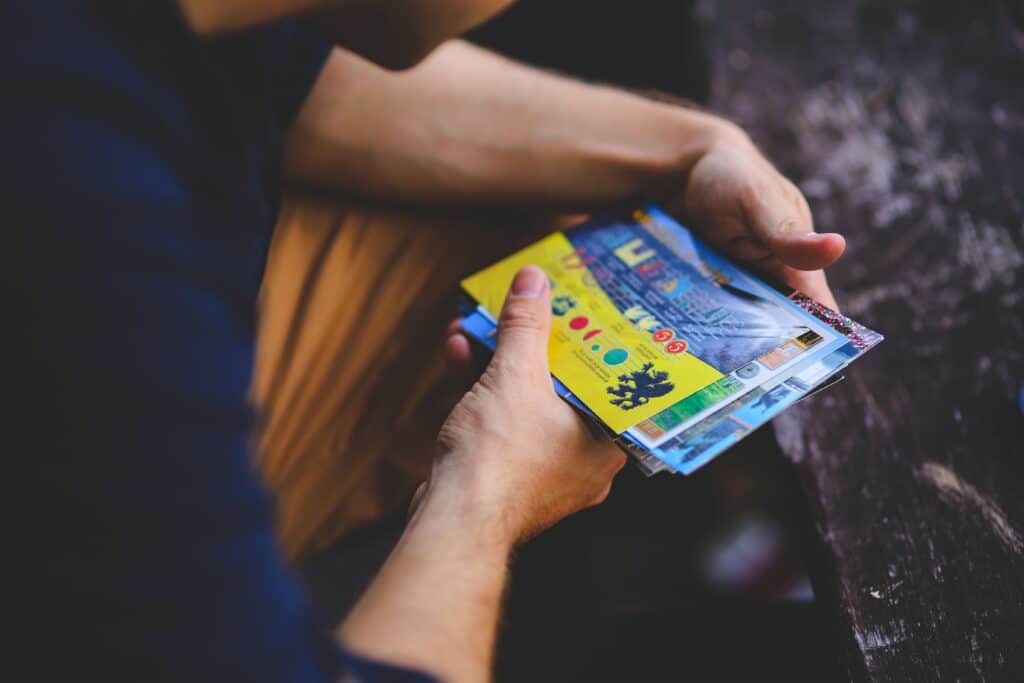
Direct mail is effective for home décor brands because visual impact drives emotional resonance. The tactile experience of receiving beautifully designed catalogs or postcards creates an immediate connection that sets the stage for deeper digital engagement:
- QR codes can instantly transport readers from mailer to website to read detailed specifications or access digital content like styling tips
- Personalized URLs (PURLs) on mail pieces creates trackable pathways while providing you with valuable data about customer behavior and preferences
- Dedicated landing pages extend the mail experience with expanded information product or tools such as interactive “see it in your space” planners
Creating consistent visual language across channels can further ensure that buyers recognize your brand, whether they encounter it in their mailbox, on their screen or in a physical store.

>>Related: Make a First Impression That Lasts with Direct Mail Marketing>>
Enhancing direct mail with innovative technologies
Augmented reality (AR) applications are especially effective for bridging physical and digital experiences for home décor shoppers. AR technology addresses one of the biggest challenges in furniture and decor purchasing: Helping shoppers visualize how products will look and fit in their actual spaces.
When integrated with direct mail campaigns, AR creates powerful “try before you buy” experiences to help encourage purchase decisions. For example, potential buyers can use their smartphones to scan catalog pages or special markers, placing three-dimensional product models in their rooms through their device cameras. They can see how a new accent table defines their space, whether a painting coordinates with existing décor or how different lighting fixtures can make a style statement in their dining room.
Measuring omnichannel success
By tracking key metrics for cross-channel campaigns, your brand can capture direct response rates, long-term customer value, cross-channel influence and more to help optimize campaigns and improve customer experiences.
Modern attribution tools can connect mail recipients to subsequent digital behaviors, helping you better understand the true impact of your direct mail investments and plan future campaigns accordingly.
Using retargeting effectively requires sophisticated audience segmentation and personalized messaging strategies. Shoppers who received mailers but haven’t visited websites represent different opportunities than those who engaged extensively with online content but haven’t made a purchase. Each audience segment requires tailored retargeting approaches that acknowledge their specific engagement history while providing relevant next steps.
Converting more loyal buyers across every channel
Direct mail, enhanced by digital integration and innovative technologies, remains a powerful tool for creating seamless experiences that drive both immediate results and long-term customer relationships.
With over 25 years of experience in digital and direct mail marketing specifically for home décor brands, the LS Direct team understands what drives results.